Living in a small home can present unique challenges, but it also offers opportunities for creative and innovative solutions. How can you make the most of every square foot without feeling cramped or cluttered? This article explores various strategies to maximize space efficiency, from smart furniture choices to clever storage solutions, ensuring that even the smallest homes can feel spacious and functional.
By embracing multi-functional furniture, utilizing vertical storage, and adopting a minimalist design, you can transform limited space into a comfortable and stylish living area. Curious about how mirrors and lighting can create the illusion of more room, or how sliding doors can save precious space? Read on to discover practical tips and inspiring ideas that will help you redefine your small home's potential, making it a place where efficiency meets elegance.
Smart Furniture Choices
Multi-Functional Furniture
In small homes, every piece of furniture must earn its place by offering more than just a single function. Multi-functional furniture provides versatility without sacrificing style. Sofa beds transform a living room into a guest bedroom in seconds, offering a comfortable sleeping solution without the need for a dedicated guest room. Extendable dining tables can accommodate a cozy dinner for two or expand to host a larger gathering, making them perfect for fluctuating space needs. Storage ottomans serve as seating, footrests, and hidden storage units, keeping clutter at bay while enhancing the room's aesthetic.
The benefits of multi-functional furniture extend beyond mere space-saving. These pieces often incorporate innovative design elements that add to the home's overall functionality and appeal. For example, a coffee table with built-in storage can keep living room essentials like remote controls and magazines out of sight, maintaining a clean and organized appearance. By investing in furniture that serves multiple purposes, homeowners can maximize their living space without compromising on comfort or style.
Modular and Convertible Designs
Modular and convertible furniture designs offer unparalleled flexibility and adaptability, making them ideal for small homes. Modular furniture consists of individual pieces that can be rearranged to suit different needs and spaces. This flexibility allows homeowners to customize their living areas according to their preferences and requirements. For instance, a modular sofa can be configured in various ways to fit different room layouts, providing both seating and storage options.
Convertible furniture takes adaptability a step further by transforming into entirely different pieces. A desk that converts into a dining table or a bed that folds into a wall unit exemplifies how dynamic living spaces can be achieved. These designs are particularly beneficial in small homes where space is at a premium. By incorporating modular and convertible furniture, homeowners can create a versatile living environment that adapts to their changing needs.
Creative Storage Solutions
Vertical Storage Utilization
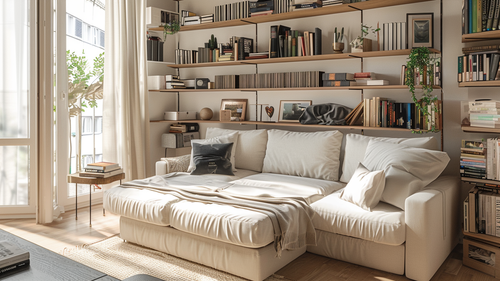
Maximizing vertical space is a crucial strategy for enhancing storage in small homes. By utilizing walls for shelves and cabinets, homeowners can free up valuable floor space and keep their living areas organized. In kitchens, vertical storage solutions like hanging pot racks and wall-mounted spice racks can declutter countertops and make cooking more efficient. Bathrooms can benefit from over-the-toilet shelving units and wall-mounted cabinets, providing additional storage without encroaching on limited floor space.
Vertical storage isn't limited to traditional shelving. Innovative solutions like pegboards and magnetic strips can be used to store tools, kitchen utensils, and other items in a visually appealing and easily accessible manner. By thinking vertically, homeowners can uncover new storage opportunities and keep their small homes tidy and functional.
Hidden and Underutilized Spaces
Hidden and underutilized spaces offer untapped potential for storage in small homes. Under-bed storage is a prime example, providing ample space for storing seasonal clothing, shoes, and other items that aren't frequently used. Built-in cabinets and drawers can be integrated into staircases, utilizing the often-overlooked space beneath the steps for storing books, linens, or even pantry items.
Recessed shelving is another clever solution for maximizing storage without taking up additional floor space. These shelves can be built into walls, creating storage niches for books, decor, or bathroom essentials. By identifying and utilizing hidden and underutilized spaces, homeowners can significantly increase their storage capacity and maintain a clutter-free living environment.
Open Concept and Minimalist Design
Open Floor Plans
Open floor plans are a popular design choice for small homes, as they create a sense of spaciousness by removing walls and barriers. This layout allows for a seamless flow between different areas, making the home feel larger and more connected. However, maintaining privacy and functionality in open layouts requires careful planning. Strategic placement of furniture and the use of area rugs can help define different zones within the open space, ensuring that each area serves its intended purpose.
To further enhance the functionality of an open floor plan, homeowners can incorporate flexible design elements like sliding partitions or curtains. These features provide the option to create temporary divisions when needed, offering privacy without permanently closing off the space. By embracing open floor plans, small homes can achieve a more expansive and cohesive living environment.
Minimalist Aesthetic
A minimalist aesthetic is particularly well-suited for small homes, as it emphasizes simplicity and the elimination of clutter. By focusing on essential items and avoiding unnecessary decor, homeowners can create a clean and serene living space. The key to maintaining a minimalist lifestyle in a small home is to be intentional with every item brought into the space. Each piece should serve a purpose and contribute to the overall aesthetic.
To achieve a minimalist look, homeowners can opt for neutral color palettes and streamlined furniture designs. Built-in storage solutions and concealed cabinets can help keep surfaces clear and maintain a tidy appearance. By embracing minimalism, small homes can feel more open and inviting, with a focus on quality over quantity.
Innovative Design Techniques
Mirrors and Lighting
Mirrors and lighting play a crucial role in creating the illusion of space in small homes. Strategically placed mirrors can reflect light and make a room appear larger and brighter. For instance, placing a large mirror opposite a window can amplify natural light and enhance the room's dimensions. Mirrors can also be used as decorative elements, adding visual interest while serving a functional purpose.
Lighting is equally important in shaping the perception of space. Layered lighting, which includes ambient, task, and accent lighting, can create depth and highlight different areas of a room. Recessed lighting and wall sconces are excellent choices for small spaces, as they provide ample illumination without taking up valuable floor or table space. By combining mirrors and strategic lighting, homeowners can enhance the ambiance and perceived size of their small homes.
Sliding and Pocket Doors
Sliding and pocket doors are innovative solutions for saving space in small homes. Unlike traditional hinged doors, which require clearance to open and close, sliding and pocket doors operate on a track system and slide into the wall or along its surface. This design frees up floor space and allows for more flexible furniture arrangements.
Incorporating sliding and pocket doors can also enhance the aesthetic appeal of a home. These doors come in various styles and materials, from sleek glass panels to rustic barn doors, allowing homeowners to choose options that complement their decor. By integrating sliding and pocket doors, small homes can achieve a more efficient and visually pleasing layout.
Outdoor Extensions and Multi-Use Areas
Balcony and Patio Utilization
Outdoor spaces like balconies and patios can be transformed into functional extensions of the home, providing additional living areas. With thoughtful design, these spaces can serve multiple purposes, from relaxation zones to outdoor dining areas. Balcony gardens can bring greenery into urban environments and create a serene retreat. Vertical planters and hanging gardens are excellent options for maximizing plant space without overwhelming the area.
Outdoor seating is another key element in utilizing balconies and patios effectively. Foldable furniture and compact seating arrangements can provide comfort without taking up too much space. By incorporating weather-resistant materials and multifunctional pieces, homeowners can create inviting outdoor spaces that enhance their small homes' overall livability.
Multi-Use Rooms
Designing rooms that serve multiple functions is essential for maximizing space efficiency in small homes. A guest room that doubles as a home office is a prime example of a multi-use space. By incorporating a fold-out desk and a sofa bed, homeowners can create a versatile room that accommodates both work and overnight guests. Flexible furniture, such as foldable chairs and modular shelving units, can further enhance the room's adaptability.
To optimize multi-use rooms, homeowners should focus on creating a layout that allows for easy transitions between different functions. Clear zoning and the use of movable partitions can help define distinct areas within the room. By designing multi-use spaces, small homes can achieve greater functionality and make the most of their limited square footage.
Conclusion: Redefining Space Efficiency in Small Homes
Maximizing space efficiency in small homes involves creating a harmonious balance between functionality and style. By embracing multi-functional furniture, utilizing vertical storage, and adopting a minimalist design, homeowners can transform limited space into a comfortable and stylish living area. Innovative design techniques like mirrors and strategic lighting further enhance the perception of space, while sliding and pocket doors offer practical solutions for saving room.
Ultimately, the key to redefining small home living lies in creativity and thoughtful planning. Whether it's turning a balcony into a serene retreat or designing multi-use rooms that adapt to changing needs, small spaces can be both efficient and elegant. As we rethink the potential of every square foot, we open the door to a world where efficiency meets elegance, proving that even the smallest homes can be grand in their own right. Imagine a home where every inch is a testament to innovation and style—what possibilities await when we embrace this vision?
Leave a Reply